
You are using an outdated browser and your browsing experience will not be optimal. Please update to the latest version of Microsoft Edge, Google Chrome or Mozilla Firefox. Install Microsoft Edge

June 23, 2020

Yuwadee Thean-ngarm and Nada Songsasen to Join TBAM’s Myanmar Update #6: COVID-19

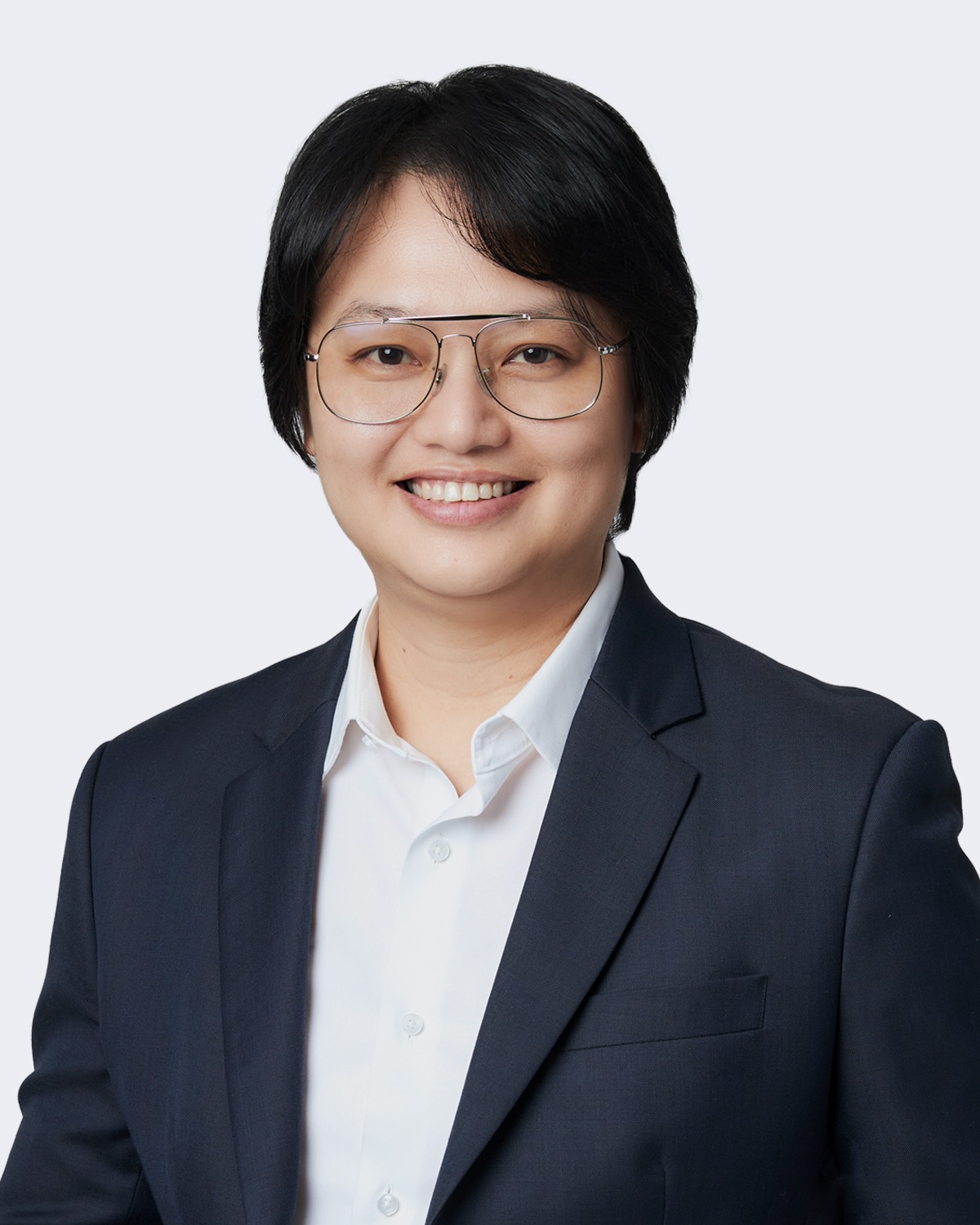
On June 10, Yuwadee Thean-ngarm, director of Tilleke & Gibbins’ Yangon office and secretary-general of the Thai Business Association of Myanmar (TBAM), and Nada Songsasen, consultant, will join TBAM’s Myanmar Update #6: COVID-19 to discuss recent developments in the jurisdiction during the pandemic. While typically conducted as in-person events, this session will be offered as a webinar due to restrictions put in place to prevent an extended outbreak.

During the session, Yuwadee and Nada will provide an overview of the latest legal developments in Myanmar and explain how they may affect Thai investors during the current situation. In addition to discussing legal updates, the speakers will also offer practical, business-oriented advice for Thai investors to consider when presented with potential opportunities in Myanmar, whether in the immediate or more distant future.

The webinar will be broadcast live through TBAM’s Facebook page on June 10, starting promptly at 2:00 p.m. If you’re interested in attending, please register your attendance through the event page.

RELATED INSIGHTS​ 

September 7, 2021
Chandavya Ing, an associate in the intellectual property group of Tilleke & Gibbins’ Phnom Penh office, coauthored an article titled “The Fate of Dependent Patents in Cambodia, Laos, Myanmar, Thailand, and Vietnam—A Comparison with the Situation in Germany and India” with Prof. Dr. Heinz Goddar, a patent attorney and partner in the Munich office of Boehmer & Boehmer. The article appeared in the September 2021 issue of les Nouvelles, the journal of the Licensing Executives Society International (LESI). Dependent patents are new patents that also rely on a previous one, such as when an invention builds on or adds new technology to a previous patented invention. This approach to securing commercial rights for progressive inventions is often seen in patent-heavy fields such as telecommunications and advanced technology. Commercializing a dependent patent without infringing the earlier patent (i.e., the one that it depends on) requires licensing from the holder of the earlier patent. If this proves unworkable, the dependent patent cannot go to market. While this may ensure that the original patent rights are upheld, such an impasse can also block innovation and progress. As the authors explain in the article, Germany and India (as well as other countries such as Russia and Taiwan) will enlist a state party in an effort to resolve any such situation that arises, often through a de-blocking mechanism such as a compulsory or non-voluntary license. The article then looks in detail at the de-blocking mechanisms and provisions in the legal and regulatory environment of various countries in Southeast Asia, before offering comparison to the situation in Germany and India. Overall, the authors conclude that a more active (but balanced) use of compulsory licensing—which already exists in many Southeast Asian countries but is not frequently employed outside of the pharmaceutical sector—might help clear patent-related obstacles
August 30, 2021
On September 15, Noppramart Thammateeradaycho, counsel, and Dutsadee Dutsadeepanich, associate—both from Tilleke & Gibbins’ dispute resolution group—will appear in a webinar titled “Commercial and Investment Arbitration in the Oil and Gas Sector,” presented in conjunction with the Thailand Arbitration Center, the Singapore-Thai Chamber of Commerce, and Peter & Kim of Singapore. Dutsadee will moderate for the session, while Noppramart will be joined by three other experts from the legal industry and academia. Through their presentations, the speakers will discuss recent challenges in the oil and gas industry and how these pressures have led to an increase in complex commercial and investment arbitration as a dispute resolution mechanism. One specific area of focus will be gas price review arbitration, though the speakers will also provide an overall view of the role of arbitration in the oil and gas sector, as well as how parties in the industry can incorporate arbitration into their dispute resolution strategies moving forward. The webinar, which will be in English, will be held via Zoom 3:00 to 4:30 p.m. ICT. Please submit the registration form (free) to attend.
August 26, 2021
On August 25, Joseph Tomkiewicz, partner and co-chair of Tilleke & Gibbins’ regional energy practice, joined the first day of the three-day Future Energy Asia 2021 forum to moderate a strategic session titled “Big Ideas: Clean Energy, Role of Oil & Gas, Innovations That Shape ASEAN’s Energy Transition.” Joined by leading companies in the oil and gas sector, including PTTEP, Baker Hughes, and Venture Global, Joseph led a session that handled questions about innovations such as the rapid growth of renewables amidst COVID-19 in ASEAN. During the session, he directed and fostered discussion of ASEAN’s drive toward fuel diversification, energy security, and decarbonization. Joseph and the panelists also analyzed strong demand growth for cleaner practices in the power and industrial sectors, considered how players in the energy industry are reshaping their strategies and focus, and highlighted innovations they have seen in policies, financing, technologies, and business models. The session showcased the development and innovation in today’s energy sector, and initiated discussions among high-level professionals in the industry.
August 20, 2021
On August 19, Tilleke & Gibbins and the Thai Listed Companies Association (TLCA) jointly hosted a Thai-language webinar to address the regulatory environment surrounding import procedures and permit applications for health products. In the first part of the session, Kasamesunt Teerasitsathaporn, partner in Tilleke & Gibbins’ dispute resolution group, provided an overview of the Customs Act, explained penalties imposed under the act, identified lists of prohibited and restricted goods, shared examples of products that require a declaration of permit documentation, and highlighted notable Customs Act provisions relating to health products. In the second part of the session, Dr. Atthachai Homhuan, director of the firm’s regulatory affairs practice, related some interesting case studies involving a wide range of health products, including medical equipment, pharmaceutical products, contact lenses, and other goods. Dr. Atthachai ended the presentation with practical advice to companies about managing their importation operations in compliance with the Customs Act. A full video recording of the webinar (in Thai) can be viewed on the Tilleke & Gibbins YouTube Channel.