
Myanmar’s Central Committee for Consumer Protection issued Notification 1/2018 on October 26, 2018, which requires labels containing certain information in Myanmar language, jointly or combined with another language, to be affixed to certain products sold in the country. The notification is intended to ensure the safety of consumers.
The notification states that Myanmar-language labels must contain the following information:
- Directions for use;
- Storage instructions;
- Allergy alerts and/or warnings; and
- Side effects (if any).
The Myanmar-language label must be affixed to consumer units, jointly or combined with labelling in another language, but the legislation does not cover other packaging, such as display boxes.
The list of priority products that require Myanmar-language labelling, jointly or combined with labelling in another language, is as follows:
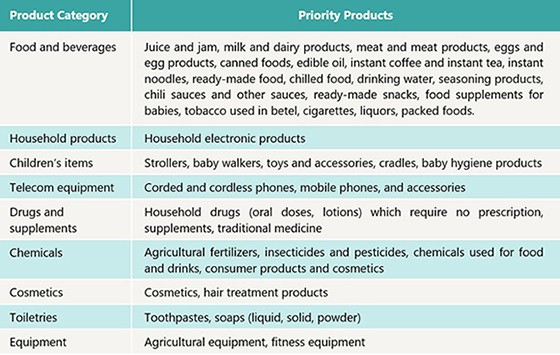
The committee may announce other products to be included in the list in the future.
Companies will have a six-month grace period from the notification date (October 26, 2018) to comply with the new regulation. Any violations after the grace period will leave companies vulnerable to the following sanctions under Section 19 of the Myanmar Consumer Protection Law 2014:
- warning;
- severe warning;
- order to remedy the violation or compensate;
- temporary prohibition of the sale and distribution of goods in violation;
- product recall;
- destruction of goods; and/or,
- temporary or permanent revocation of business licenses or permits.