You are using an outdated browser and your browsing experience will not be optimal. Please update to the latest version of Microsoft Edge, Google Chrome or Mozilla Firefox. Install Microsoft Edge

November 23, 2021

Vietnam: The Registrability of Media-Hype and Sensational Marks

Managing Intellectual Property

Given the highly polarized state of U.S. politics, one may find it difficult to imagine a scenario where Donald Trump and Joe Biden appear together outside of a debate stage. Surprisingly, these names were united on a Vietnamese trademark application filed during the heat of the U.S. presidential election in 2020.
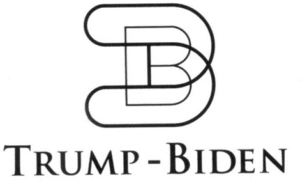
This “TRUMP-BIDEN” mark was filed for food, beverages, and restaurants in Classes 29, 30 and 43 — items with no link to the two presidents. The only reason for such filing, obviously, was to gain consumers’ attention and to ride a wave of popularity, although in a rather unusual way.

Attention-seeking entrepreneurs are often inspired by celebrities and recent events when seeking new brand names and slogans. They may attempt to register their ideas as trademarks while the influence of the person or event is still strong. Others take a different but similarly sensational approach, crafting marks loaded with double entendre with the hope of sneaking past the gatekeepers.

While the idea of registering celebrity-driven or sensational marks may be beneficial for business, is it possible under Vietnam’s IP laws?

Famous People’s Names

In addition to the TRUMP-BIDEN mark mentioned above, a quick search on the public database of the IP Office of Vietnam reveals several dozen “TRUMP” marks, with most of them filed after Donald Trump’s inauguration in 2017. The IP Office’s decisions have shown that marks explicitly referring to the former president (such as the full-name trademark DONALD TRUMP) will be refused protection, but more subtle indicators can survive to registration, such as DONTRUMP (Reg. 327991), BETATRUMP (Reg. No. 329952), TRUMP GOLD (Reg. No. 313441), TRUMP WATER  (Reg. No. 355166 – see image below), and even TRUMP by itself (Reg. No. 342771).

Under Article 73.3 of the IP Law, “signs identical or confusingly similar to real names, aliases, pseudonyms or images of leaders, national heroes or famous personalities of Vietnam or foreign countries” are ineligible for protection as marks, regardless of the goods/services applied for. This is why the “DONALD TRUMP” mark was refused, but it seems to apply only to obvious cases, such as where the full name of the famous person is exploited. If only a part of the name is used, it could still be accepted. From that view, it is likely that the TRUMP-BIDEN mark could be considered inherently distinctive, as it includes neither the full names nor the images of the presidents.

Another interesting TRUMP-derived mark is found in a pending application for TRUMPKIDS KINDERGARTEN:

While the Trump inspiration in the faceless image is undeniable, could this mark still be considered registrable? It consists of the name and image of a famous person, but both are stylized and combined with other elements. In our opinion, the mark is likely to get through. If so, this is an example of a clever way to utilize the fame of a person, while skirting the prohibitions of Article 73.3.

On the other hand, names or signs similar to those of well-known people with decidedly negative reputations – war criminals or terrorists, for example – may be refused for being contrary to social ethics and public order as stipulated in Article 8.1 of the IP Law, regardless of how “creative” the marks are. The mark BILLADEN for pesticides in Class 05 was refused for being confusingly similar to the name of Osama Bin Laden. Although the applicant argued that BILLADEN was fanciful and in no way related to the infamous terrorist, the IP Office held that the registration of the mark was against morality and public policy, and maintained its refusal.

Vulgar or Sensational Slogans

Some companies, especially in youth-oriented sectors like video games or beverages, adopt ridiculous, ear/eye-catching marks in the hope of gaining more attention for their products or services. One of Vietnam’s most popular craft breweries has applied for a series of winkingly raunchy bilingual marks for beer in Class 32, including BOM VU DU XAI [roughly “breast augmentation big enough to use”] FIFTY-TWO TRIPLE Z; COI DO RA [take off your clothes] LET’S GET NAKED; and AN BANH TRA TIEN [slang for “buy/use prostitute”] NO COOKIE NO NOOKIE. While such names are commonplace in the freewheeling craft beer industry, it remains to be seen if they are registrable in Vietnam.

Although the marks are pending without any issued opinion from the IP Office, a similar case was refused for protection. The stylized mark “NUDE” for trading services of food, clothing, household appliances, etc., in Class 35 was refused for again being contrary to social ethics and public order.

The standards for judging this are quite subjective and dependent on the particular examiner’s viewpoint. For example, we found the mark FASCIST was successfully registered for insecticides in Class 05, while DAP DA (literally “beat the rock” but slang for “use drugs”) was registered for restaurant services in Class 43. Based on this precedent, it is highly likely that the pending LET’S GET NAKED mark will be refused but the others will survive to registration, due to their indirect wording.

Our Perspective

We respect our clients’ choices, but we maintain certain standards. While some phrases, symbols, and other sensitive components may evoke powerful emotions that increase sales of the goods they designate, limits must also be set. Bearing in mind that Vietnam is an Asian country with high standards regarding social ethics, foreign companies should be mindful in choosing trademarks to be used in the country. The purpose is not only to have their marks registered, but also to have them accepted by mass Vietnamese consumers.

In addition, media-hype trademarks often have short shelf-lives, while the registration procedure in Vietnam is lengthy, normally 20-24 months. If and when the trademark registrations are granted, it may already be too late to draw the public’s attention. In the end, investing in thoughtful, sustainable trademarks will always be the right choice.

This article first appeared in Managing Intellectual Property.

RELATED INSIGHTS​ 

May 28, 2025
Tilleke & Gibbins attorneys in Vietnam have contributed the 2025 edition of Doing Business in Vietnam, a comprehensive Q&A-style resource from Thomson Reuters Practical Law that provides essential insights for companies navigating business operations in Vietnam. The guide presents a detailed overview of the country’s legal framework and regulatory environment, reflecting recent updates in Vietnamese legislation and practice. This annually updated guide offers key information on the following areas: Legal system: Structure of the Vietnamese judiciary and the role of codified law. Foreign investment: Conditions for market access, licensing requirements, foreign ownership restrictions, and investment incentives. Business vehicles: Formation and operation of legal entities, including limited liability companies, joint-stock companies, and representative offices. Employment: Employment contracts, social insurance, labor rights, and procedures for hiring foreign nationals. Tax: Overview of corporate income tax, personal income tax, value-added tax, and other tax obligations. Intellectual property: Procedures for protecting and enforcing patents, trademarks, copyrights, and other IP rights. Data protection: Compliance requirements under Vietnam’s data privacy laws, including the Personal Data Protection Decree. Competition law: Antitrust rules and regulatory oversight under the Law on Competition. Anti-bribery and corruption: Legal framework and enforcement practices aimed at curbing corrupt activities. E-commerce and digital business: Regulations governing online platforms, digital content, and cross-border services. Marketing and advertising: Laws and guidelines on advertising standards and consumer protection. Product regulation and liability: Safety requirements, product liability issues, and roles of relevant authorities. Doing Business in Vietnam is part of Practical Law’s global series of legal guides designed to support international practitioners and businesses. To access the most recent edition of the Vietnam guide, visit the Practical Law website and sign up for a free trial.
May 27, 2025
With the fifth round of negotiations between Thailand and the EU for a free trade agreement (FTA) now complete and the sixth round scheduled for June, both sides appear to be well on the way to meeting the desired Christmas 2025 deadline. The latest discussions were held in Brussels, and Pichai Naripthaphan, Thailand’s commerce minister, announced that the two sides have reached agreement on two chapters: Customs and Trade Facilitation, and Sustainable Food Systems. No details have been released regarding what concessions were made to reach the agreement, but reports suggest that good progress is being made in all remaining chapters. Market access for goods has reportedly become the current focus of negotiations. The first draft of goods and services that will be exempted is expected in early June, which will be welcome news for importers. While the first draft cannot be expected to represent the finalized list, it will at least provide an indication of the goods and services likely to benefit from tariff exemption. Similarly, both sides have begun to share the geographical indications that they wish to be protected, which will be of great interest to producers and manufacturers in Thailand and the EU. This is especially true considering the upcoming amendments to the Geographical Indications Protection Act B.E. 2546 (2003) expected in Thailand, as one of the key changes under the prospective amendment is to enable easier registration for geographical indications protected under international agreements. Other updates from the intellectual property (IP) chapter show good progress in relation to copyright and civil and border enforcement of IP rights. Both sides are also continuing to examine possible bridging proposals for unresolved issues. Given the substantial differences in IP laws between Thailand and the EU, how negotiators will bridge this gap remains at the forefront of most
May 2, 2025
Attorneys from Tilleke & Gibbins have updated the latest edition of Doing Business in Thailand, a Q&A-style guide from Thomson Reuters Practical Law that offers an overview of key legal considerations for companies operating in jurisdictions worldwide. The contribution outlines the country’s legal and regulatory framework for foreign investment and business operations and reflects the latest legislative developments. The chapter addresses the following core topics: Legal system: Structure of the courts and the codified nature of Thai law. Foreign investment: Business restrictions under the Foreign Business Act, sector-specific regulations, exchange control rules, and investment incentives. Business vehicles: Overview of partnerships, private and public limited companies, and other legal entities. Employment: Labor protections, employment contracts, foreign worker requirements, and termination procedures. Tax: Corporate and personal income tax, indirect taxes, and tax obligations for residents and non-residents. Intellectual property: Registration and enforcement of patents, trademarks, designs, and copyrights. Data protection: Key provisions of the Personal Data Protection Act and related compliance obligations. Competition law: Regulatory framework under the Trade Competition Act. Anti-bribery and corruption: Relevant legislation and enforcement mechanisms. E-commerce and digital business: Legal regime for online transactions and digital platforms. Marketing and advertising: Consumer protection laws and regulations affecting advertising and marketing practices. Product regulation and liability: Safety standards, liability regimes, and roles of enforcement authorities. Practical Law, a legal reference resource from Thomson Reuters, publishes a range of guides for hundreds of jurisdictions and practice areas. The insurance and reinsurance guide is a valuable resource for legal practitioners, covering numerous jurisdictions worldwide. To view the latest version of the guide, please visit the Practical Law website and enroll in the free Practical Law trial to gain full access.
April 29, 2025
Tilleke & Gibbins recently assisted Bitmain, a leading manufacturer of cryptocurrency mining hardware, in successful cancellation action lawsuits against BITMAIN and ANTMINER trademarks that were unlawfully registered by a local party in Indonesia. Background Founded in 2013, Bitmain is a leading manufacturer of digital currency mining servers, marketed under their BITMAIN and ANTMINER brands. The company has maintained a strong global market share, with customers in over 100 countries and regions. In Indonesia, Bitmain has held the BITMAIN trademark registration in classes 35, 36, 41, and 42 since 2018. However, the company was unable to register the trademark in other classes because a local party had already registered the mark in the desired classes. Bitmain also discovered that their ANTMINER brand had been registered by the same local party, which impeded Bitmain’s application to register the ANTMINER trademark in Indonesia. Bitmain had been using these trademarks and products worldwide long before the local party’s registration in Indonesia, and had also secured trademark registrations in various countries. However, the local party exploited Indonesia’s first-to-file principle, securing the BITMAIN and ANTMINER trademarks before Bitmain could file. This was a classic example of trademark squatting, where a party registers a foreign trademark in a jurisdiction where the original owner has not yet filed, with the intent to profit from the brand’s success. Initial Approach Upon discovering that the local party had made these trademark applications, Bitmain found that one of these applications was still in the publication period. We advised and assisted Bitmain to file opposition against the application, but this opposition was subsequently refused because the local party had already obtained identical BITMAIN trademarks in other classes. Consequently, the application was registered in the Trademark Office database. Following the unfavorable opposition decision, we initially worked with Bitmain to seek a mutually