You are using an outdated browser and your browsing experience will not be optimal. Please update to the latest version of Microsoft Edge, Google Chrome or Mozilla Firefox. Install Microsoft Edge

7月 25, 2025

ESGの台頭とタイにおける立体商標保護への影響

現代のビジネス戦略が持続可能性が重視されるようになり、ESG原則の影響は商品デザイン、パッケージ、そしてブランド保護に新たな形を与えている。タイにおけるラベルレスボトルから立体商標の法的重要性まで、これらの動向は環境責任と知的財産の結びつきの深まりを浮き彫りにしている。

ESGの台頭

ESG原則は、世界中でビジネス戦略を策定する上で不可欠な要素となっている。企業はESGデータを開示することをますます要求され、これは投資家の意思決定、融資、そして消費者行動に影響を与えている。調査によると、消費者は持続可能なパッケージに対してより多くのお金を払う意思があり、ESGへの取り組みに力を入れている企業は高い成長率を達成する傾向がある。

プロダクト・ミニマイゼーションのトレンド

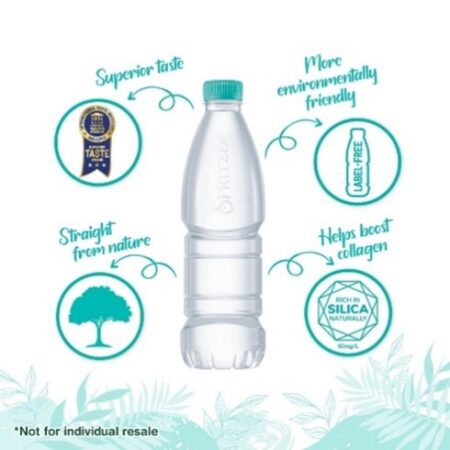
大きな変革を経験している分野の一つが消費財業界で、世界中のブランドがESG原則に沿ったパッケージを採用している。注目すべき取り組みの一つはパッケージの小型化で、pepsiが2022年に中国で初めてラベルレスPETボトルを導入したことがその好例である。同様にタイでは、SPRINCLEの飲料水「Redesign to Reduce」および同様のイニシアチブをはじめ、複数のボトル・ウォーターのブランドがラベルレス・デザインを採用している。
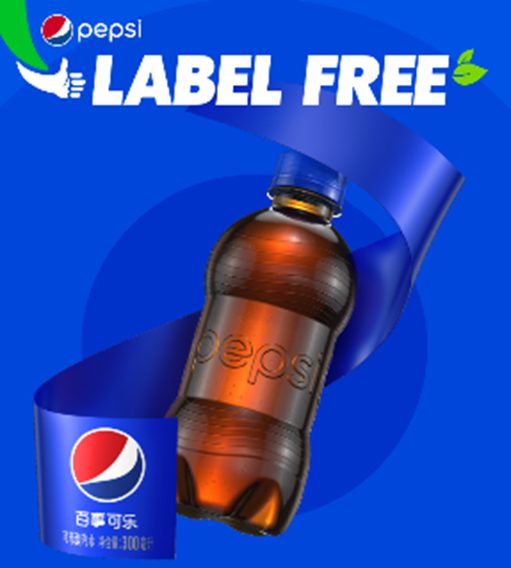
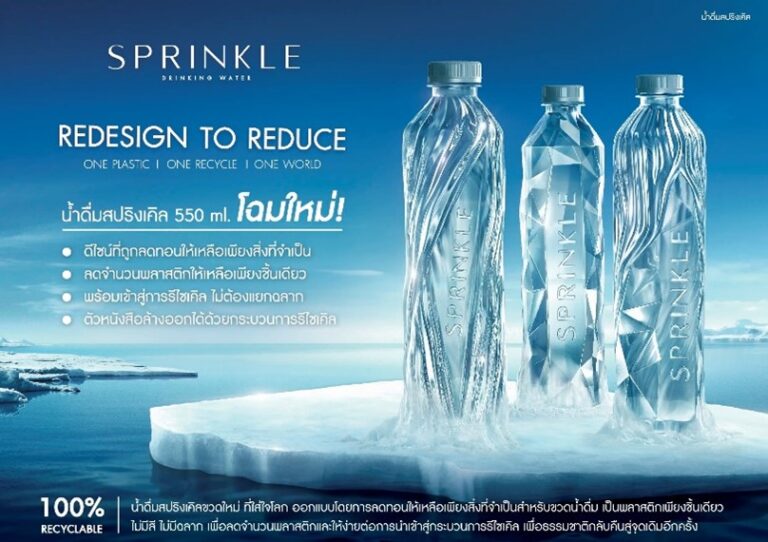
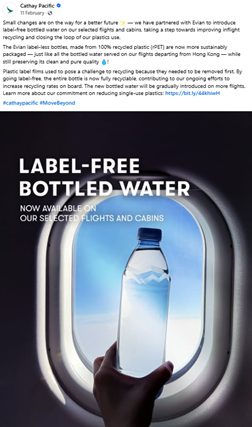
こうした変化はブランドイメージの向上だけでなく、消費者やビジネスパートナーからも温かく歓迎されている。例えば、キャセイパシフィック航空は、機内リサイクル活動の強化に向けた継続的な取り組みの一環として、一部のフライトと客室でラベルフリーのボトル・ウォーターを導入した。
立体商標でデザインから識別性へ

パッケージはブランド・アイデンティティの重要な要素へと進化し、機能性と識別性を融合させることで消費者の認知度とロイヤルティを高める。この変化は知的財産に大きな影響を及ぼしている。これらのデザインは、その高い商業的価値を考えると、もはやオプション的なものではなく、不可欠な要素である。意匠権や立体商標などを介して法的保護を確保することは、戦略的に不可欠な要素となっている。持続可能性とイノベーションが重視される時代において、識別可能なパッケージを保護することは、単なる予防措置ではなく、競争優位性を維持し、ブランドの永続的な成功を確保するための基本的なステップである。

タイでは、商標法により、幅、高さ、奥行きを含む物体の立体的な形状を表す立体商標を登録することができる。立体商標が登録されるためには、識別性、つまりある事業者の商品またはサービスを他の事業者の商品またはサービスと区別できる特徴を示すことが必要がある。ただし、その形状は、単に商品の本質的な形状を反映したもの、または技術的機能を実現するために不可欠なデザインであってはならない。

その構成に固有の識別力が欠けているとしても、継続的かつ広範囲な使用を通じて消費者の幅広い認知を得ている場合は、登録が認められる可能性がある。このような場合、企業は、そのデザインが商品の出所を強く識別する役割を果たしていることを証明する必要がある。このプロセスでは通常、マーケティング資料、広告記録、流通データなど、消費者の認知を効果的に裏付ける包括的な証拠を収集する必要がある。注目すべき例として、イタリアの高級ブランドであるBulgariは、独自の円形状物が勘合する香水瓶のデザインをタイで立体商標として登録することに成功した。

重要なポイント

企業がパッケージ戦略やブランディング戦略に持続可能性を組み込む傾向は、ますます強まっている。環境に配慮した取り組みの一環として、ミニマルでラベルレスなデザインが世界中で人気を集めている。個性的なパッケージデザインは、ブランド・アイデンティティを定義する上で重要な役割を果たし、商標法の下、法的に保護され得る。タイでは、立体商標として保護されるためには、デザインが識別性または消費者の認知度の高さを示す必要があり、多くの場合、マーケティング記録や流通データなどのたくさんの証拠によって裏付けらる。これらの法的要件を早期に理解することで、企業はブランド・アイデンティティを守るための積極的な対策を講じることができる。商品の出所を自然に伝えるデザインについては、ESG(環境(Environment)、社会(Social)、企業統治(Governance))が重視される今日の環境において、法的保護を求めることが最優先事項である。


備考:本和文は英文記事を翻訳したものです。原文については、以下のリンクをご参照ください。

The Rise of ESG and Its Implications for 3D Mark Protection in Thailand


その他の情報 

8月 7, 2026
On July 31, 2026, the Trade Competition Commission of Thailand (TCCT) launched a one-month public consultation period on proposed regulatory guidelines for competition in three business segments: (1) digital platforms; (2) modern trade and credit terms; and (3) ride-hailing and on-demand delivery, including food delivery and mart/quick commerce. At the same time, the TCCT released a market report on ride hailing and on-demand delivery that is likely to influence the guidelines and their interpretation and enforcement. The consultation runs until August 31, 2026. Stakeholders have a limited window to submit practical, evidence-based input that may shape the next phase of Thailand’s regulatory framework for competition. Scope of the Consultation The public consultation targets updating existing guidance in three business sectors that have experienced transformative growth and structural change: Digital platforms: The TCCT has actively monitored this sector in recent years and has coordinated with other regulators, primarily the Electronic Transactions Development Agency (ETDA) and the Ministry of Commerce. In March 2026 the TCCT’s Guidelines on Multi-Sided Platforms and E-Commerce Businesses took effect, and in July the TCCT established a digital platform subcommittee to regulate and prevent unfair trade practices in digital platform businesses. This activity followed a TCCT market report on e-marketplace businesses in September 2025. Modern trade and credit terms: This sector was the focus of the TCCT’s 2019 Guidelines on Unfair Trade Practices between Wholesale and Retail Operators and Manufacturers or Suppliers (widely known as the “Modern Trade Guidelines”) , as well as its 2021 Guidelines on Unfair Trade Practices regarding the Credit Terms under which Small and Medium Enterprises (SMEs) Sell Products or Services to a Purchaser (also known as the “Credit Term Guidelines”), which were amended the following year. Ride-hailing and on-demand delivery (including food delivery and quick commerce): The TCCT published the Guidelines on
8月 6, 2026
Introduction: A Trademark Paradox in Sustainable Packaging Walk into any Thai supermarket, and the label-free water bottle is no longer a novelty. Thailand’s packaging market, valued at approximately USD 15.68 billion in 2025, is shifting toward minimalist, plastic-light designs as ESG pressures reshape how brands present their products. The country generated roughly 5.68 million tons of plastic waste in 2021, with a recycling rate of only 19 percent, and regulators are now considering rules that would allow label-free bottled water relying on embossing, laser printing, or QR codes instead of wrap-around labels. As packaging itself becomes the brand identifier, a paradox emerges: designs built to say the least often struggle hardest for protection under Thai intellectual property law. The Trademark Barrier: When Shape Is Not Enough Section 7, paragraph 2(10) of the Thai Trademark Act deems a shape distinctive only if it is not the natural form of the goods, is not necessary to achieve a technical result, and does not add value to the goods. The Department of Intellectual Property’s 2022 examination guidelines apply this test conservatively, as the following examples illustrate. A plain water bottle relying on subtle contours to signal its brand is typically read as just another bottle, not a source identifier. Acquired distinctiveness offers a theoretical escape route, but it demands extensive evidence of sales, advertising, and consumer recognition—an especially heavy burden for new entrants whose minimalist packaging has not yet achieved market prominence. The result is a structural bias against precisely the design innovation that sustainability goals are meant to encourage. Design Patents: A Partial, Imperfect Substitute Design patent protection, covering a product’s shape, configuration, or ornamentation, appears to offer an alternative route. In practice, it is constrained by the same forces driving the minimalist trend. Because many brands converge on similar solutions—clear
8月 6, 2026
Every month, VAT-registered businesses in Thailand calculate their output and input VAT and file a return to pay the net amount due or claim a refund. Yet a common and costly dispute arises when a business that has paid input VAT to its supplier—and done everything asked of it—later finds that input VAT rejected on the grounds that the tax invoice was issued by “a person not entitled to issue tax invoices.” In these cases, a buyer may have confirmed the supplier’s VAT registration on the Revenue Department’s website, paid through the banking system, received a complete tax invoice, and kept full payment and inventory records. Even so, if the Revenue Department later determines that the supplier did not genuinely make the sale or collected the VAT without remitting it, the department can disallow the input VAT and assess additional tax, surcharge, and penalty—often more than a year after the transaction. A new article from tax and dispute resolution specialists at Tilleke & Gibbins in Bangkok examines how the Revenue Department and the courts approach these disputes, including two recent Supreme Court (Tax Division) decisions confirming that the taxpayer bears the burden of proving a supplier genuinely sold and delivered the goods and received payment. It considers why the VAT registration system offers no legal safe harbor, why the evidentiary burden falls hardest on online and cross-border transactions where buyers and sellers never meet, and how the Revenue Department’s own digital infrastructure could detect non-remitting suppliers at the source rather than shifting the loss to good-faith buyers. The article also sets out practical guidance: how to build a comprehensive “know-your-supplier” file at the time of a transaction, the procedural steps and strict deadlines for challenging a VAT assessment, and why dispute readiness belongs alongside tax planning at the center
8月 4, 2026
Carbon markets have moved to the forefront of corporate and regulatory agendas as global attention to climate change and sustainability intensifies. Worldwide, many jurisdictions—including Thailand—are finding carbon markets to be promising tools in their efforts to combat climate-warming emissions and accelerate their net-zero pathways and sustainability commitments. According to the Thailand Greenhouse Gas Management Organization’s (TGO) 2025 Voluntary Carbon Market Survey, approximately 3.29 million tonnes of CO₂ equivalent (tCO₂eq) were traded under Thailand’s domestic standard between 2020 and 2024 with a cumulative market value of approximately THB 314.5 million (approximately USD 9.43 million), and 524 projects had been registered under the Thailand Voluntary Emission Reduction Program (T-VER) framework. Carbon Credits in Thailand Thailand’s carbon credit regime is, at present, entirely voluntary. There is not yet any obligation for businesses to purchase or retire carbon credits, although this may change once the draft Climate Change Act is enacted. The draft Climate Change Act, which is currently undergoing legal review before submission to Parliament, is expected to introduce a mandatory emissions trading system (ETS), under which  legal entities in designated sectors will be allocated emissions allowances and will be required to surrender sufficient allowances to cover their verified emissions, with penalties for shortfalls. Rather than imposing a blanket obligation on all businesses to purchase or retire carbon credits, the draft act is expected to allow ETS-covered entities to use eligible carbon credits (for example, those certified under T-VER) to meet only a limited, capped portion of their compliance obligation, with the applicable cap and eligibility criteria to be set out in subordinate regulations and the relevant allocation plan. The principal domestic framework for carbon credits is the T-VER, administered by the TGO. While some project developers in Thailand also operate under international standards such as Verified Carbon Standard or the Gold