You are using an outdated browser and your browsing experience will not be optimal. Please update to the latest version of Microsoft Edge, Google Chrome or Mozilla Firefox. Install Microsoft Edge

7月 25, 2025

ESGの台頭とタイにおける立体商標保護への影響

現代のビジネス戦略が持続可能性が重視されるようになり、ESG原則の影響は商品デザイン、パッケージ、そしてブランド保護に新たな形を与えている。タイにおけるラベルレスボトルから立体商標の法的重要性まで、これらの動向は環境責任と知的財産の結びつきの深まりを浮き彫りにしている。

ESGの台頭

ESG原則は、世界中でビジネス戦略を策定する上で不可欠な要素となっている。企業はESGデータを開示することをますます要求され、これは投資家の意思決定、融資、そして消費者行動に影響を与えている。調査によると、消費者は持続可能なパッケージに対してより多くのお金を払う意思があり、ESGへの取り組みに力を入れている企業は高い成長率を達成する傾向がある。

プロダクト・ミニマイゼーションのトレンド

大きな変革を経験している分野の一つが消費財業界で、世界中のブランドがESG原則に沿ったパッケージを採用している。注目すべき取り組みの一つはパッケージの小型化で、pepsiが2022年に中国で初めてラベルレスPETボトルを導入したことがその好例である。同様にタイでは、SPRINCLEの飲料水「Redesign to Reduce」および同様のイニシアチブをはじめ、複数のボトル・ウォーターのブランドがラベルレス・デザインを採用している。
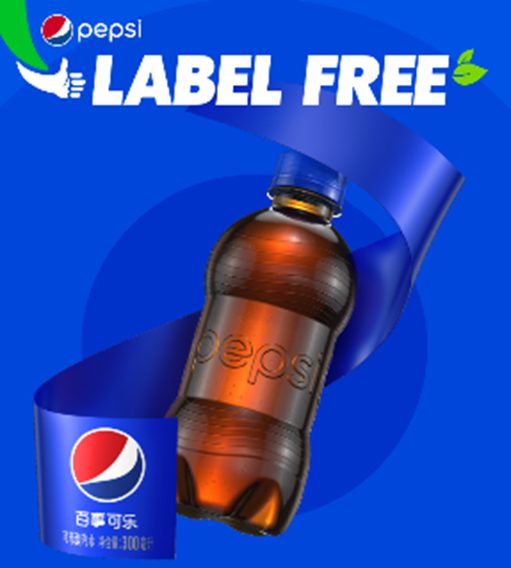
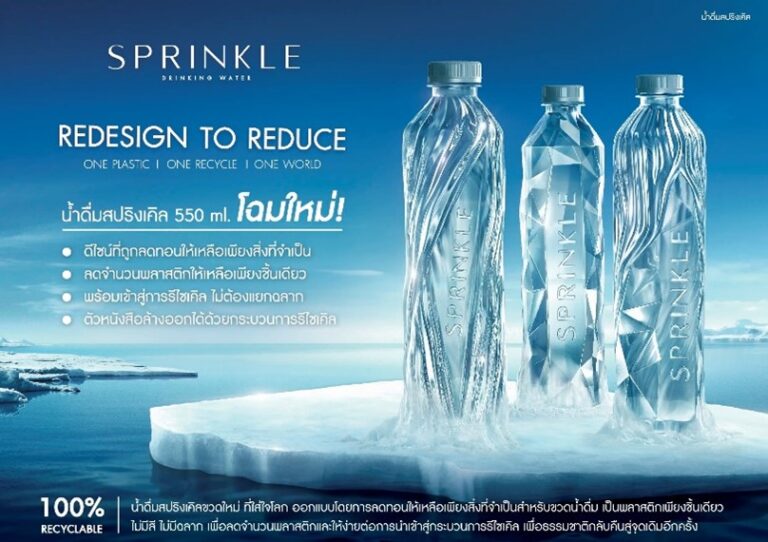
こうした変化はブランドイメージの向上だけでなく、消費者やビジネスパートナーからも温かく歓迎されている。例えば、キャセイパシフィック航空は、機内リサイクル活動の強化に向けた継続的な取り組みの一環として、一部のフライトと客室でラベルフリーのボトル・ウォーターを導入した。

立体商標でデザインから識別性へ

パッケージはブランド・アイデンティティの重要な要素へと進化し、機能性と識別性を融合させることで消費者の認知度とロイヤルティを高める。この変化は知的財産に大きな影響を及ぼしている。これらのデザインは、その高い商業的価値を考えると、もはやオプション的なものではなく、不可欠な要素である。意匠権や立体商標などを介して法的保護を確保することは、戦略的に不可欠な要素となっている。持続可能性とイノベーションが重視される時代において、識別可能なパッケージを保護することは、単なる予防措置ではなく、競争優位性を維持し、ブランドの永続的な成功を確保するための基本的なステップである。

タイでは、商標法により、幅、高さ、奥行きを含む物体の立体的な形状を表す立体商標を登録することができる。立体商標が登録されるためには、識別性、つまりある事業者の商品またはサービスを他の事業者の商品またはサービスと区別できる特徴を示すことが必要がある。ただし、その形状は、単に商品の本質的な形状を反映したもの、または技術的機能を実現するために不可欠なデザインであってはならない。

その構成に固有の識別力が欠けているとしても、継続的かつ広範囲な使用を通じて消費者の幅広い認知を得ている場合は、登録が認められる可能性がある。このような場合、企業は、そのデザインが商品の出所を強く識別する役割を果たしていることを証明する必要がある。このプロセスでは通常、マーケティング資料、広告記録、流通データなど、消費者の認知を効果的に裏付ける包括的な証拠を収集する必要がある。注目すべき例として、イタリアの高級ブランドであるBulgariは、独自の円形状物が勘合する香水瓶のデザインをタイで立体商標として登録することに成功した。

重要なポイント

企業がパッケージ戦略やブランディング戦略に持続可能性を組み込む傾向は、ますます強まっている。環境に配慮した取り組みの一環として、ミニマルでラベルレスなデザインが世界中で人気を集めている。個性的なパッケージデザインは、ブランド・アイデンティティを定義する上で重要な役割を果たし、商標法の下、法的に保護され得る。タイでは、立体商標として保護されるためには、デザインが識別性または消費者の認知度の高さを示す必要があり、多くの場合、マーケティング記録や流通データなどのたくさんの証拠によって裏付けらる。これらの法的要件を早期に理解することで、企業はブランド・アイデンティティを守るための積極的な対策を講じることができる。商品の出所を自然に伝えるデザインについては、ESG(環境(Environment)、社会(Social)、企業統治(Governance))が重視される今日の環境において、法的保護を求めることが最優先事項である。


備考:本和文は英文記事を翻訳したものです。原文については、以下のリンクをご参照ください。

The Rise of ESG and Its Implications for 3D Mark Protection in Thailand


その他の情報 

8月 10, 2026
On July 31, 2026, Thailand’s Big Data Institute (BDI) launched a public consultation on the principles of a proposed new data-sharing law, with comments accepted until August 31, 2026. If enacted, the law would establish Thailand’s first comprehensive framework for government and private-sector data sharing, creating a systematic, secure, and transparent regime to support analytics, policymaking, research, and innovation. Central Data-Sharing Platform The draft law establishes a central system for data sharing, managed by the BDI. Government agencies would be required to connect to the BDI’s Data Integration and Intelligence Platform (also referred to as D2), in accordance with the BDI’s rules and procedures. Five Dimensions of Data Sharing The draft law covers five key types of data sharing between government (G), businesses (B), and consumers (C): G2B: Private organizations may request government data specifically for research and development purposes. The BDI will assess the applicant’s data governance, security, and privacy capabilities whether such measures meet prescribed standards before forwarding the request to the relevant government agency within 90 days. Any dispute may be escalated to a newly established Data-Sharing Promotion Committee for final determination. G2G: Government agencies may request data from other agencies through the central system. The data-holding agency must respond within 90 days, taking legality, necessity, proportionality, public interest, and personal data protection into account. Disputes may be referred to the Data-Sharing Promotion Committee for adjudication. B2G: In emergency situations involving public safety, economic security, or disaster response, the Minister of Digital Economy and Society may require private entities to provide data through the central data-sharing system. Government agencies must specify the data requested, demonstrate its necessity and expected benefits, and request only data reasonably available to the data holder. Requests for personal data must be limited to the minimum amount necessary. B2C: Royal decrees may
8月 10, 2026
Thailand’s Office of the Personal Data Protection Committee (PDPC) recently released draft guidance on records of processing activities (ROPA) for personal data controllers and processors under the Personal Data Protection Act B.E. 2562 (2019) (PDPA). The draft guidance, which was presented to the public on July 7, 2026, addresses both controller records of collection, use, and disclosure of personal data and processor records of processing activities carried out on behalf of controllers. If implemented, the guidance will significantly expand organizational expectations for ROPA preparation, maintenance, and use across all sectors. Key Takeaways The draft guidance contains several important implications for organizations subject to the PDPA: ROPA reframed as a core accountability tool. The guidance elevates ROPA from an administrative record to a central accountability mechanism, connecting controller duties with recordkeeping obligations. ROPA as a source for privacy notices and governance documents. ROPA should serve as the primary source for privacy notices and align with consent management, retention schedules, DPIAs, incident response plans, and vendor contracts. Expanded scope across all activities. ROPA must cover all processing activities across the organization—including security, finance, HR, and external contractors—with correct controller or processor classification for each. Ongoing maintenance and auditability. ROPA must be updated for any change to systems, purposes, or processors, reviewed at least annually, and maintained with version control and a designated owner. Enhanced vendor, processor, and cross-border transfer requirements. Organizations must document all processors, external recipients, and cross-border transfers, specifying purposes, access scope, and destination countries. Linkage with risk assessment, DPIAs, and LIAs. ROPA should assign risk levels to each activity and identify when data protection impact assessments (DPIAs) or legitimate interests assessments (LIAs) are required, functioning as a risk-management tool. ROPA and data breach readiness. Incomplete ROPA can delay breach response and notification. Organizations should map data flows, vendors,
8月 10, 2026
On June 17, 2026, Indonesia’s National Agency of Drug and Food Control (BPOM) issued BPOM Regulation No. 10 of 2026 on Nutritional Information on Processed Food Labels. The new regulation, which revokes three previous nutrition labeling regulations, introduces several notable changes affecting food and beverage manufacturers, importers, and distributors. These changes range from updated nutrient reference values and serving-size requirements to the introduction of the Nutri-Level front-of-pack labeling system for certain beverage products. Businesses operating in Indonesia should carefully review these developments and assess their products’ compliance with the new requirements during the transition period. Implementation of the Nutri-Level Labeling System To implement the recently issued decree on Nutri-Level labeling, BPOM Regulation No. 10 of 2026 stipulates the requirements to implement the Nutri-Level labeling system on the front-of-pack. Under the new framework, ready-to-drink beverages, powdered beverages, and liquid or solid concentrates are required to display Nutri-Level labeling on the front label of their packaging. The Nutri-Level labeling system classifies products into color-coded levels A through D based on their sugar, sodium, and total fat content. The applicable Nutri-Level is determined based on the lowest level measured in the assessment of sugar, sodium, and total fat content. For products classified as level C or D, the Nutri-Level label must be accompanied by information on the relevant sugar, sodium, and total fat content per 100 ml of the ready-to-consume product. Products classified as level A or B may either display only the Nutri-Level designation or display the Nutri-Level together with the relevant nutritional information per 100 ml. Minimum Vitamin and Mineral Content Required for Declaration BPOM Regulation No. 10 of 2026 introduces a stricter threshold for the declaration of vitamins and minerals in the nutritional value information section (ING). Vitamins or minerals may only be declared if they are present at a
8月 10, 2026
The drug registration process in Vietnam will be simplified, particularly for foreign applicants, following the recent issuance by Vietnam’s Ministry of Health (MOH) of a new circular that is expected to reduce administrative hurdles. Circular No. 32/2026/TT-BYT on the registration of drugs and medicinal ingredients (Circular 32) was issued on July 29, 2026, and will take effect on October 1, 2026, replacing Circular No. 12/2025/TT-BYT. Key provisions of the new circular are discussed below. Five-Year Data Exclusivity and Five-Month Public Disclosure Framework Circular 32 updates data protection guidelines by explicitly referencing Article 128 of the amended Intellectual Property Law, which sets out that new drugs supported by clinical trial data submitted for the first time will be granted a five-year data exclusivity period from the date of the initial marketing authorization (MA) approval. Subsequent applications that rely on the originator’s protected data will not be eligible for approval from the date of submission of the originator’s registration dossier until five years after the first MA is granted. Furthermore, in accordance with the new regulations, the regulatory authority must publicly disclose information on subsequent applications five months before the granting of MA, providing originator companies with an opportunity to exercise and enforce their intellectual property rights. Simplified Requirements for Foreign Legal Documents Circular 32 expands the circumstances under which legal documents issued by foreign authorities are exempt from consular legalization and authenticity verification requirements. Specifically, such documents may be exempt if the Drug Administration of Vietnam (DAV) is able to verify their authenticity directly through official electronic means, including written confirmation or email correspondence sent directly to the MOH by the competent foreign authority, or publicly accessible English-language databases maintained by recognized foreign regulatory authorities. In addition, the new circular permits the submission of electronic notarized copies of legal documents