You are using an outdated browser and your browsing experience will not be optimal. Please update to the latest version of Microsoft Edge, Google Chrome or Mozilla Firefox. Install Microsoft Edge

7月 25, 2025

ESGの台頭とタイにおける立体商標保護への影響

現代のビジネス戦略が持続可能性が重視されるようになり、ESG原則の影響は商品デザイン、パッケージ、そしてブランド保護に新たな形を与えている。タイにおけるラベルレスボトルから立体商標の法的重要性まで、これらの動向は環境責任と知的財産の結びつきの深まりを浮き彫りにしている。

ESGの台頭

ESG原則は、世界中でビジネス戦略を策定する上で不可欠な要素となっている。企業はESGデータを開示することをますます要求され、これは投資家の意思決定、融資、そして消費者行動に影響を与えている。調査によると、消費者は持続可能なパッケージに対してより多くのお金を払う意思があり、ESGへの取り組みに力を入れている企業は高い成長率を達成する傾向がある。

プロダクト・ミニマイゼーションのトレンド

大きな変革を経験している分野の一つが消費財業界で、世界中のブランドがESG原則に沿ったパッケージを採用している。注目すべき取り組みの一つはパッケージの小型化で、pepsiが2022年に中国で初めてラベルレスPETボトルを導入したことがその好例である。同様にタイでは、SPRINCLEの飲料水「Redesign to Reduce」および同様のイニシアチブをはじめ、複数のボトル・ウォーターのブランドがラベルレス・デザインを採用している。
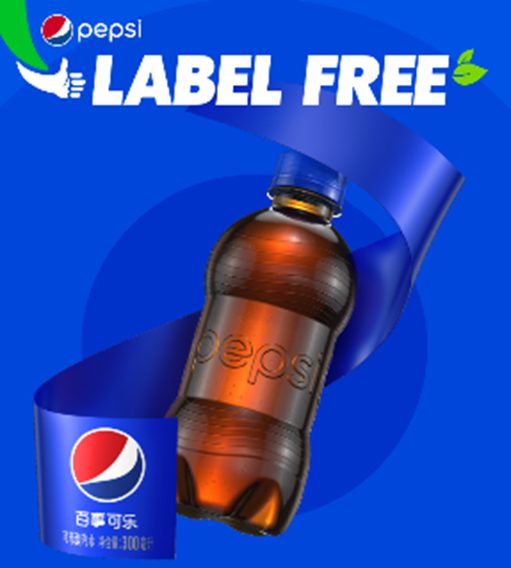

こうした変化はブランドイメージの向上だけでなく、消費者やビジネスパートナーからも温かく歓迎されている。例えば、キャセイパシフィック航空は、機内リサイクル活動の強化に向けた継続的な取り組みの一環として、一部のフライトと客室でラベルフリーのボトル・ウォーターを導入した。

立体商標でデザインから識別性へ

パッケージはブランド・アイデンティティの重要な要素へと進化し、機能性と識別性を融合させることで消費者の認知度とロイヤルティを高める。この変化は知的財産に大きな影響を及ぼしている。これらのデザインは、その高い商業的価値を考えると、もはやオプション的なものではなく、不可欠な要素である。意匠権や立体商標などを介して法的保護を確保することは、戦略的に不可欠な要素となっている。持続可能性とイノベーションが重視される時代において、識別可能なパッケージを保護することは、単なる予防措置ではなく、競争優位性を維持し、ブランドの永続的な成功を確保するための基本的なステップである。

タイでは、商標法により、幅、高さ、奥行きを含む物体の立体的な形状を表す立体商標を登録することができる。立体商標が登録されるためには、識別性、つまりある事業者の商品またはサービスを他の事業者の商品またはサービスと区別できる特徴を示すことが必要がある。ただし、その形状は、単に商品の本質的な形状を反映したもの、または技術的機能を実現するために不可欠なデザインであってはならない。

その構成に固有の識別力が欠けているとしても、継続的かつ広範囲な使用を通じて消費者の幅広い認知を得ている場合は、登録が認められる可能性がある。このような場合、企業は、そのデザインが商品の出所を強く識別する役割を果たしていることを証明する必要がある。このプロセスでは通常、マーケティング資料、広告記録、流通データなど、消費者の認知を効果的に裏付ける包括的な証拠を収集する必要がある。注目すべき例として、イタリアの高級ブランドであるBulgariは、独自の円形状物が勘合する香水瓶のデザインをタイで立体商標として登録することに成功した。

重要なポイント

企業がパッケージ戦略やブランディング戦略に持続可能性を組み込む傾向は、ますます強まっている。環境に配慮した取り組みの一環として、ミニマルでラベルレスなデザインが世界中で人気を集めている。個性的なパッケージデザインは、ブランド・アイデンティティを定義する上で重要な役割を果たし、商標法の下、法的に保護され得る。タイでは、立体商標として保護されるためには、デザインが識別性または消費者の認知度の高さを示す必要があり、多くの場合、マーケティング記録や流通データなどのたくさんの証拠によって裏付けらる。これらの法的要件を早期に理解することで、企業はブランド・アイデンティティを守るための積極的な対策を講じることができる。商品の出所を自然に伝えるデザインについては、ESG(環境(Environment)、社会(Social)、企業統治(Governance))が重視される今日の環境において、法的保護を求めることが最優先事項である。


備考:本和文は英文記事を翻訳したものです。原文については、以下のリンクをご参照ください。

The Rise of ESG and Its Implications for 3D Mark Protection in Thailand


その他の情報 

8月 31, 2026
Thailand has introduced a new regulatory framework that may expose foreign nationals who violate the Foreign Business Act (FBA) to deportation. The Regulation of the Office of the Prime Minister on Deportation B.E. 2569 was published in the Government Gazette on August 27, 2026. The regulation establishes an administrative process for referring foreign nationals for deportation where this is deemed necessary in the interests of public order or public morality. It does not create new substantive deportation powers, but it expressly identifies unlawful business conduct under the FBA—including nominee arrangements—as grounds for referral. Grounds for Deportation Referral The regulation sets out five grounds that may give rise to a referral to the relevant authorities: Unlawful entry into, or unlawful stay in, Thailand in violation of immigration laws. Unlawful employment or engagement in work in violation of laws governing the employment of foreign nationals. Carrying on business in violation of the FBA, including through the use of nominee arrangements. Forging official documents or using forged official documents. Committing an offense punishable by imprisonment of five years or more. The framework takes a broad approach, extending not only to the perpetrators of these acts but also to those who facilitate, instigate, or otherwise support such acts. Deportation Risk Following a Criminal Judgment Where a foreign national has committed any of the above offenses and has fully served the sentence imposed pursuant to a final judgment, the interior minister has the power to order deportation. This power also applies where a court has issued a final judgment sentencing a foreign national to imprisonment but has suspended the execution of the sentence, or has imposed a fine. A deportation order may also specify a period during which the foreign national is prohibited from reentering Thailand. FBA Noncompliance: Broader Consequences Noncompliance with the FBA—including
8月 28, 2026
When considering a franchise, many people first think of a restaurant, retail chain, or service outlet. From a legal perspective, however, the foundation of every franchise lies in the right to use a brand, which is typically granted through a trademark license. Trademarks are often the most valuable assets in a franchise system. Through a trademark license, a franchisor authorizes a franchisee to use its trademarks, logos, and branding while maintaining control over how the brand is presented to customers. The Role of Trademarks in Franchise Businesses Under the Trademark Law 2019, a mark is defined as a sign that is capable of distinguishing the goods or services of one undertaking from those of others in the course of trade. This distinguishing function is particularly important in a franchise arrangement, where the franchisee’s use of the franchisor’s trademark allows consumers to recognize the source, quality, and reputation of the business. In this way, trademarks help preserve brand identity, strengthen market recognition, and protect the commercial value of the franchise system. Legal Foundation for Franchise Brand Protection Myanmar presently does not have a specific statutory framework governing franchise arrangements. As a result, franchise agreements are generally regulated under the broader applicable legal framework, including the Contract Act 1872, the Trademark Law 2019, the Competition Law 2015, the Consumer Protection Law 2019, and the relevant implementing rules and regulations. The licensing of trademarks within a franchise arrangement is particularly governed by the Trademark Law 2019. Franchisors should ensure that the trademarks intended to be licensed to franchisees in Myanmar are registered under the Trademark Law 2019 and that the relevant trademark license is properly recorded with the Intellectual Property Department (IPD). Trademark License Recordal Under the Trademark Law 2019, the owner of a registered trademark may grant a license to another
8月 27, 2026
It is generally understood that patents are granted for new designs that have not been widely known or used in Thailand and not been disclosed anywhere prior to the date of the patent application. It is trite law that design law protects the distinctive appearance or products. Under Section 3 of the Thai Patent Act B.E. 2522, as amended by the Patent Act (No. 2) B.E. 2535 and the Patent Act (No. 3) B.E. 2542, a design is defined as “any form or composition of lines or colors that gives a product a special appearance and can serve as a pattern for an industrial or handicraft product.” This raises an important question. Can a patent be issued for a product design that contains text, numerals, trademarks, or symbols that do not fall under the definition of a design? This issue commonly arises when attempting to register packaging, labels, and graphical user interfaces (GUIs). Until a few years ago, applicants could file design applications with the Thai Patent Office for designs that contained such elements, provided that an appropriate disclaimer was included. This practice was generally accepted by Thai design examiners at that time, but the Patent Office has since implemented a change in its practice that could have a significant impact on applicants for design patents. Where design representations are submitted as line drawings or computer-aided design (CAD) drawings, the examiner may now issue an office action requiring their removal. This practice, however, appears to be applied inconsistently, as some examiners still exercise their own discretion in determining whether drawings containing these elements are acceptable. Below are examples of a GUI design, a CAD drawing design, and a photographic design representation that illustrates issues relating to the presence of nonallowable elements. GUI design For this GUI design, the submitted
8月 27, 2026
The Bank of Thailand (BOT) is seeking public feedback on a proposed overhaul of the regulatory framework for licensed money changers authorized by the finance minister, under the Exchange Control Act, to buy and sell foreign banknotes separately from commercial banks and specialized financial institutions. The BOT published the draft principles on August 19, 2026, for public consultation, with comments accepted through September 18, 2026. If adopted in its current form, the new framework would substantially raise licensing standards, require existing licensees to undergo a review and upgrade process, temporarily freeze new applications in 2027, and reduce application intake rounds from 2028 onward, with significant implications for both existing operators and prospective new entrants. The overhaul initiative stems from the BOT’s recognition of a need to prevent the use of licensed money changers as channels for financial crime. The stated objectives are to build public confidence, ensure the safety of financial service users, and align the supervisory framework with the current risk profile of the business and evolving market conditions. Upgraded Licensing Standards The BOT intends to significantly revise the licensing framework, including requirements relating to registered capital, branch management, operational standards, and customer transaction limits. Detailed criteria have not yet been released and are expected to be subject to further consultation. All existing licensees will be required to upgrade to meet the new standards and submit evidence of compliance for BOT review on a case-by-case basis. Existing licensees that are unable to satisfy the upgraded requirements may face regulatory consequences, subject to the final framework and BOT review process. Freeze and Reopening The BOT will temporarily stop accepting new license applications throughout 2027 to focus resources on inspecting and upgrading existing money changers. Any party wishing to obtain a new money changer license must submit its application by