You are using an outdated browser and your browsing experience will not be optimal. Please update to the latest version of Microsoft Edge, Google Chrome or Mozilla Firefox. Install Microsoft Edge

7月 25, 2025

ESGの台頭とタイにおける立体商標保護への影響

現代のビジネス戦略が持続可能性が重視されるようになり、ESG原則の影響は商品デザイン、パッケージ、そしてブランド保護に新たな形を与えている。タイにおけるラベルレスボトルから立体商標の法的重要性まで、これらの動向は環境責任と知的財産の結びつきの深まりを浮き彫りにしている。

ESGの台頭

ESG原則は、世界中でビジネス戦略を策定する上で不可欠な要素となっている。企業はESGデータを開示することをますます要求され、これは投資家の意思決定、融資、そして消費者行動に影響を与えている。調査によると、消費者は持続可能なパッケージに対してより多くのお金を払う意思があり、ESGへの取り組みに力を入れている企業は高い成長率を達成する傾向がある。

プロダクト・ミニマイゼーションのトレンド

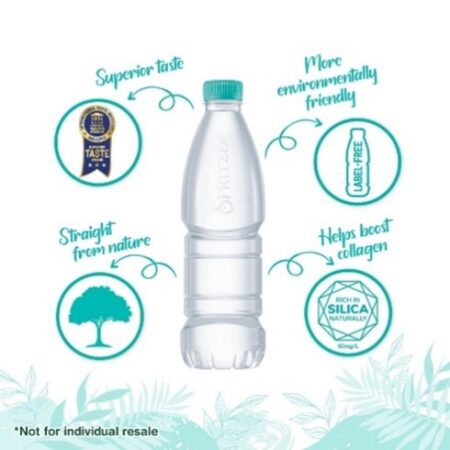
大きな変革を経験している分野の一つが消費財業界で、世界中のブランドがESG原則に沿ったパッケージを採用している。注目すべき取り組みの一つはパッケージの小型化で、pepsiが2022年に中国で初めてラベルレスPETボトルを導入したことがその好例である。同様にタイでは、SPRINCLEの飲料水「Redesign to Reduce」および同様のイニシアチブをはじめ、複数のボトル・ウォーターのブランドがラベルレス・デザインを採用している。
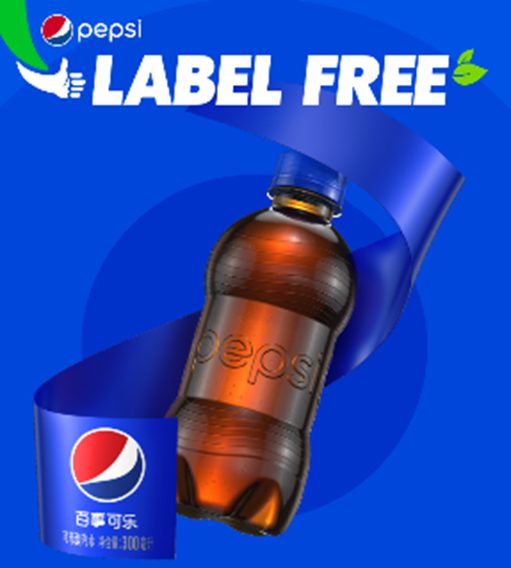
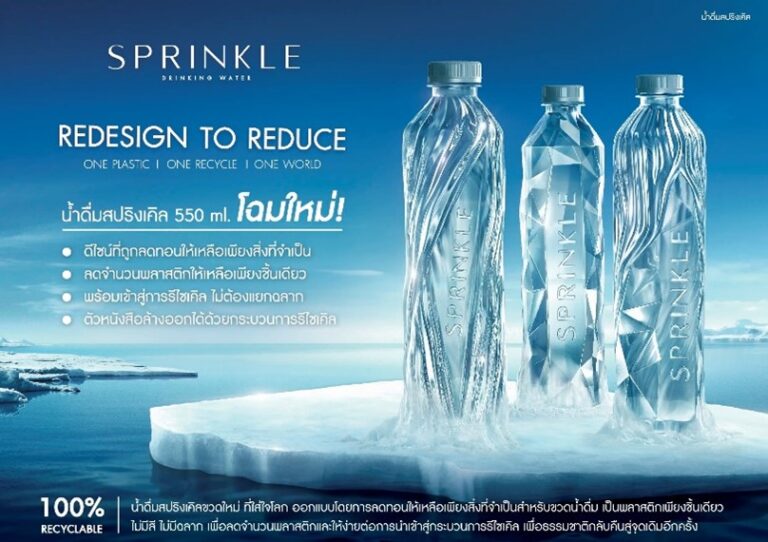
こうした変化はブランドイメージの向上だけでなく、消費者やビジネスパートナーからも温かく歓迎されている。例えば、キャセイパシフィック航空は、機内リサイクル活動の強化に向けた継続的な取り組みの一環として、一部のフライトと客室でラベルフリーのボトル・ウォーターを導入した。

立体商標でデザインから識別性へ

パッケージはブランド・アイデンティティの重要な要素へと進化し、機能性と識別性を融合させることで消費者の認知度とロイヤルティを高める。この変化は知的財産に大きな影響を及ぼしている。これらのデザインは、その高い商業的価値を考えると、もはやオプション的なものではなく、不可欠な要素である。意匠権や立体商標などを介して法的保護を確保することは、戦略的に不可欠な要素となっている。持続可能性とイノベーションが重視される時代において、識別可能なパッケージを保護することは、単なる予防措置ではなく、競争優位性を維持し、ブランドの永続的な成功を確保するための基本的なステップである。

タイでは、商標法により、幅、高さ、奥行きを含む物体の立体的な形状を表す立体商標を登録することができる。立体商標が登録されるためには、識別性、つまりある事業者の商品またはサービスを他の事業者の商品またはサービスと区別できる特徴を示すことが必要がある。ただし、その形状は、単に商品の本質的な形状を反映したもの、または技術的機能を実現するために不可欠なデザインであってはならない。

その構成に固有の識別力が欠けているとしても、継続的かつ広範囲な使用を通じて消費者の幅広い認知を得ている場合は、登録が認められる可能性がある。このような場合、企業は、そのデザインが商品の出所を強く識別する役割を果たしていることを証明する必要がある。このプロセスでは通常、マーケティング資料、広告記録、流通データなど、消費者の認知を効果的に裏付ける包括的な証拠を収集する必要がある。注目すべき例として、イタリアの高級ブランドであるBulgariは、独自の円形状物が勘合する香水瓶のデザインをタイで立体商標として登録することに成功した。

重要なポイント

企業がパッケージ戦略やブランディング戦略に持続可能性を組み込む傾向は、ますます強まっている。環境に配慮した取り組みの一環として、ミニマルでラベルレスなデザインが世界中で人気を集めている。個性的なパッケージデザインは、ブランド・アイデンティティを定義する上で重要な役割を果たし、商標法の下、法的に保護され得る。タイでは、立体商標として保護されるためには、デザインが識別性または消費者の認知度の高さを示す必要があり、多くの場合、マーケティング記録や流通データなどのたくさんの証拠によって裏付けらる。これらの法的要件を早期に理解することで、企業はブランド・アイデンティティを守るための積極的な対策を講じることができる。商品の出所を自然に伝えるデザインについては、ESG(環境(Environment)、社会(Social)、企業統治(Governance))が重視される今日の環境において、法的保護を求めることが最優先事項である。


備考:本和文は英文記事を翻訳したものです。原文については、以下のリンクをご参照ください。

The Rise of ESG and Its Implications for 3D Mark Protection in Thailand


その他の情報 

9月 9, 2026
On August 5, 2026, the Consumer Case Division of Thailand’s Civil Court rendered a judgment in a case involving a beauty clinic that advertised acne scar treatments using claims that the clinic was operated by a specialist physician and that the treatment, allegedly involving stem cell technology, could permanently remove acne scars. The plaintiff brought a claim against both the physician-owner and the clinic company, alleging that the advertisements were false and induced her to purchase the treatment. The court found that the clinic was liable for the false representations and that the physician-owner, as both the authorized director of the company and the medical practitioner who provided treatment, was jointly responsible. Although the plaintiff could not fully prove all damages claimed, the court awarded compensation of THB 20,000, together with interest. While the judgment arose from a consumer protection dispute, it serves as a valuable reminder that medical facility advertisements in Thailand are regulated and may expose clinics and healthcare providers not only to regulatory enforcement but also to civil liability from patients who rely on misleading promotional claims. Regulatory Framework Governing Medical Facility Advertisements Medical facility advertising in Thailand is governed by the Medical Facility Act B.E. 2541 (1998), as amended by the Medical Facility Act (No. 4) B.E. 2559 (2016). The principal secondary legislation is the Department of Health Service Support (DoHSS) Notification Re: Rules, Procedures, Conditions, and Fees for an Advertisement or Publication Concerning a Medical Facility, which came into force on November 25, 2019. Under this notification, “advertising” includes any act, by any means, that causes members of the public to see, hear, or otherwise become aware of a message, sound, or image for the commercial benefit of a medical facility. This broad definition covers not only traditional media but also clinic websites, social
9月 9, 2026
On June 30, 2026, Indonesia’s National Agency of Drug and Food Control (BPOM) issued BPOM Regulation No. 11 of 2026 on Food Packaging, which expands the list of approved food-contact substances and recognizes a broader range of permissible functions for those substances. The new regulation, which revokes BPOM Regulation No. 20 of 2019, reflects developments in packaging technology and materials science. Although the new regulation provides more advantages to business actors by adding more food contact substances to the approved list for use in food packaging, there are more stringent rules and restrictions for testing. One of the most significant changes is a comprehensive migration-testing framework that sets out requirements for packaging materials, testing conditions, food simulants, and specific migration limits. Overall and Specific Migration Under BPOM Regulation No. 20 of 2019, migration requirements were primarily set out within the lists of approved food-contact substances and packaging materials. BPOM Regulation No. 11 of 2026 instead expressly requires packaging materials that come into direct contact with food to meet both overall and specific migration limits. These are defined as follows: Overall migration: The total quantity of all substances that migrate from the packaging, regardless of whether the substances are hazardous or nonhazardous to health. Specific migration: The quantity of a particular identified substance known to be hazardous to health that migrates from the packaging. Stricter Limits on Heavy Metals The overall migration limit for plastic packaging remains unchanged under both regulations at 60 mg/kg or 10 mg/dm². However, the new regulation introduces significant changes to the regulation of heavy metals. Under the 2019 regulation, four heavy metals—lead, cadmium, chromium VI, and mercury—were subject to a single combined limit of 1 mg/kg. The 2026 regulation, however, requires each heavy metal to meet its own individual specific migration limit, adds arsenic as
9月 9, 2026
Certain securities, derivatives, and treasury activities in Thailand were opened to foreign investors when Thailand’s Ministry of Commerce published two new ministerial regulations in the Government Gazette on August 28, 2026. The regulations significantly broaden the service activities that foreign-owned businesses may conduct without a license or certificate under the Foreign Business Act B.E. 2542, as amended (FBA). Securities and Derivatives Business Exemptions Prior to the issuance of these ministerial regulations, the exemptions covered (1) securities brokerage and derivatives brokerage with their only underlying assets being agricultural commodities, financial instruments, and securities; and (2) dealers, advisers, and fund managers conducting derivatives business under Thailand’s derivatives laws. The ministerial regulations provide broader exemptions. In addition to derivatives under the laws on derivatives as before, the following two major categories are provided: Derivatives whose underlying assets or variables fall outside the scope of Thailand’s laws on derivatives. This addresses a gap in the previous framework, which did not comprehensively exempt derivatives tied to nonregulated underlying assets or variables, such as certain commodities. Foreign brokers, advisors, and fund managers can now facilitate a broader range of hedging and risk management instruments without triggering FBA licensing requirements. Derivatives traded outside a derivatives exchange, or over the counter (OTC), whose payments are calculated by reference to foreign exchange rates or interest rates. This removes an FBA licensing barrier for foreign providers of widely used OTC hedging products, broadening the solutions available to importers and exporters managing currency exposure and to borrowers seeking greater certainty over financing costs. The ministerial regulations also exempt brokers and agents handling transactions involving either of these two derivatives categories. For securities businesses, the ministerial regulations add exemptions for margin loans used to purchase securities and for securities repurchase transactions. These additions clarify whether such activities qualify as exempt brokerage
9月 9, 2026
On August 25, 2026, Thailand’s cabinet approved in principle a draft amendment that would extend mandatory social security coverage to three categories of workers currently excluded from Thailand’s compulsory social security system. The amendment, proposed by the Ministry of Labour, would modify the Royal Decree Prescribing Businesses and Employees Excluded from the Social Security Act B.E. 2560 (2017). Newly Covered Workers The cabinet-approved proposal would remove the exclusions for the following three categories of employees, bringing them within Thailand’s mandatory social security system: Workers in seasonal cultivation (pho pluk), forestry (pa mai), and livestock (liang sat) businesses that do not employ workers year-round and whose operations do not include other types of business activities. Notably, fishery (pramong) workers were excluded from this amendment following objections raised at a Social Security Board meeting on April 30, 2025, because employers and employees in the fishery sector can already agree to opt into social security coverage under fishery labor laws. Domestic workers and other employees of individual employers where the work performed is not part of a business operation (e.g., housekeepers, gardeners, drivers). This group has actively demanded inclusion in the social security system. Workers employed in street-stall businesses operating fixed street stalls (kan kha phaeng loi). The rationale for including street-stall workers is that their employers have fixed, identifiable places of business that can be inspected. Accordingly, workers engaged in itinerant street hawking (kan kha re) remain excluded. The expanded coverage would apply to both Thai and foreign employees who possess valid identity documents and work permits, including migrant workers who have been granted special permission to work in Thailand. The Social Security Act B.E. 2533 (1990) does not restrict social security registration based on nationality, allowing these workers to register as insured persons under section 33. Employer Obligations and Employee