In March 2026, the Intellectual Property Office of Vietnam (IP Office) issued a decision refusing a trademark application after considering an opposition based primarily on copyright grounds. The outcome is noteworthy because the foreign brand owner had neither trademark registrations nor applications in Vietnam at the time the opposition was filed, and the IP Office has historically applied a stringent approach to oppositions relying on copyright.
The Opposition
Maurten is a well-known Swedish sports nutrition brand recognized globally for its innovative hydrogel technology, which is designed to help endurance athletes fuel more effectively without gastrointestinal discomfort. The brand’s distinctive logo is characterized by clean lines and a bold black-and-white color scheme, and has long been associated with the company’s performance products.
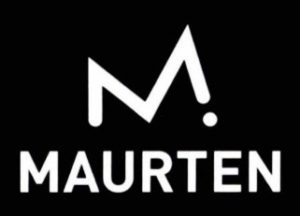
The brand’s logo is displayed above. An identical mark was filed for registration by a Vietnamese trademark squatter.
In 2023, a Vietnamese individual filed an application for registration of an identical mark (Application No. 4-2023-38668), a practice commonly observed in Vietnam as trademark squatting. The brand owner engaged Tilleke & Gibbins to assist with strategy and filing an opposition to the mark.
At the time, Maurten had no trademark rights or meaningful use in Vietnam, and global marketing data showed only modest figures without any local presence. Thus, to convince the IP Office to refuse the squatter’s application, instead of relying on trademark rights or use evidence, the opposition strategy centered on the copyright protection of the logo itself, as copyright arises automatically in Vietnam upon creation of the work and does not require registration. (It is worth noting, however, that the IP Office has traditionally been cautious in accepting copyright as a basis for refusing trademark applications.)
On September 24, 2024, an opposition was filed on three main grounds: confusing similarity, copyright infringement of the artistic work, and the applicant’s bad faith. The primary emphasis, however, was placed on copyright, leveraging the 2022 amendments to the Law on Intellectual Property, particularly the new Article 73.7, which provides:
“Signs containing copies of works, except with the permission of the owner of that work, shall not be protected as trademarks.”
The opposition dossier included side-by-side comparisons demonstrating the entirely identical nature of the marks in terms of design elements, curves, and overall visual identity. Particular attention was given to establishing that the logo qualifies as a protected applied artwork under copyright law.
After a review period of approximately 17 months, on March 9, 2026, the IP Office issued Notification No. 30919/SHTT-NH, fully accepting the copyright arguments and refusing the applied-for mark on the same day.
Key Takeaways for Brand Owners
This decision illustrates a practical route for foreign brand owners to protect distinctive logos and design elements in Vietnam without first securing local trademark registration, confirming that, when properly argued with appropriate evidence, Vietnam’s IP system can provide effective protection against bad-faith trademark filings, even in cases where traditional trademark grounds may be unavailable.
Some key takeaways from this case can be summarized as follows:
- Copyright as a viable shield: Distinctive logos and graphical elements enjoy automatic copyright protection in Vietnam. In appropriate cases, copyright can successfully block the registration of identical or substantially similar device marks as trademarks, even in the absence of local trademark rights, a copyright registration certificate, or evidence of use in Vietnam.
- Importance of early monitoring: With the new opposition deadline of three months from the publication date (effective from April 1, 2026), brand owners without local registrations should implement vigilant trademark watching services to identify and oppose copycat filings in a timely manner.
- Strategic evidence preparation: Focusing on the protected artistic work, supported by clear visual comparisons, can be highly persuasive. Evidence highlighting the applicant’s bad faith may further strengthen the overall position.
- Value of multi-ground oppositions: Although this decision rested primarily on copyright, the inclusion of additional grounds such as well-known status and bad faith can provide a stronger safety net and may influence the examiner’s assessment of the applicant’s conduct.
This article first appeared in Managing Intellectual Property.